Update from a Partner on the Immigration Frontlines

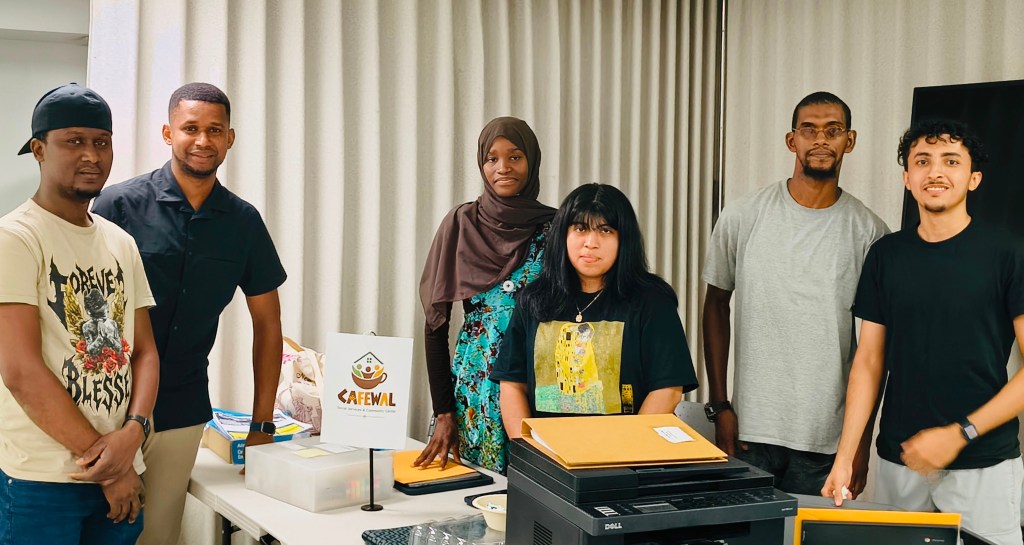
RTP continues to support our refugee communities through these difficult times. When checking in with our partners on the ground, Caféwal, a resource center in Manhattan, had this to say:

“Countless times we at Caféwal have been approached by community members with upcoming court dates, desperate to have their evidence translated with imminent deadlines. Again and again RTP translators have responded with sensitivity and alacrity, completing the translations with professionalism, accuracy and astonishingly rapid turnaround. I can’t express the relief and gratitude that every single person expresses when they are able to bring the certified translations to their attorney and meet their legal deadlines. We too, as intermediaries supporting our friends, share that sense of immense relief that we are helping to give folks a fighting chance at winning asylum in an unforgiving and continuously eroding system.

“When our community members, many of whom have experienced untold trauma, are accompanied by an RTP-trained interpreter to a legal or medical appointment, they have the support of someone who is not only trained in the ethics of interpretation, but who is able to speak both the language and shared culture of the patient/client and who can act as a community liaison. The deep cultural understanding that informs the experience provides invaluable support and comfort…Every accompaniment that promotes accurate communication with compassion and humanity, every translation that provides proof of why a person had to flee their country of origin, is itself a compelling win in a landscape of unfettered brutality…in this very hellscape, the work of RTP has provided a rare beacon of hope.”

With the support of our donors, we continue to provide these vital services to the community at Caféwal. Thank you to everyone who has supported us for your commitment to dignity and justice! You are literally saving lives.

Keep our work going!

Translation Stops Deportation!

In June, ICE had just boarded Maria (name has been changed) onto a deportation flight bound for her home country when her flight was suddenly halted. Illinois senator Tammy Duckworth’s office had intervened because of the petitions of Maria’s friends and advocates, who had reached out to the senator when she went missing from immigration detention. Maria’s advocates used the documents Refugee Translation Project translated to mobilize the senator’s office and to grant Maria a credible fear interview. This interview gives Maria the opportunity to make her case that the horrific gender-based violence she endured, and would face again if she returned, is reason enough to allow her to stay in the USA. Maria’s advocate told us, “I don’t think this would have been possible without the massive amounts of translated evidence we had to support our Maria’s case.” 

Translation plays a crucial role in supporting asylum cases.  Applicants would not be able to tell their story of persecution and prove it without a sufficient amount of translated evidence. RTP’s translations compliments the amazing work done by pro bono law firms and legal aid organizations to help immigrants and asylum seekers like Maria win their cases

Maria had fled her country with her young daughters after members of organized crime perpetrated years of gender-based violence against her and threatened her daughters. Our team of translators translated over 60 pages of testimonials by friends and neighbors, as well as dozens of pages of forensic reports, screenshots of violent text messages against her and her children, and police files documenting her abuse. Thankfully Maria was returned to have her day in court before she faced violent repercussions in her home country.

RTP receives dozens of cases like this every month and we are struggling to keep up, as demand is still outpacing funding. Our clients cannot afford the exorbitant costs of translation during this vulnerable time in their lives. Our Translation Stops Deportation campaign seeks to raise funds to support people like Maria, who have fled gender-based violence, as well as others who have fled political and ethnic violence.

Graduation Day!

Congratulations to the 6 participants of our Interpreter Training for African Asylum Seekers program who successfully completed the program last week!

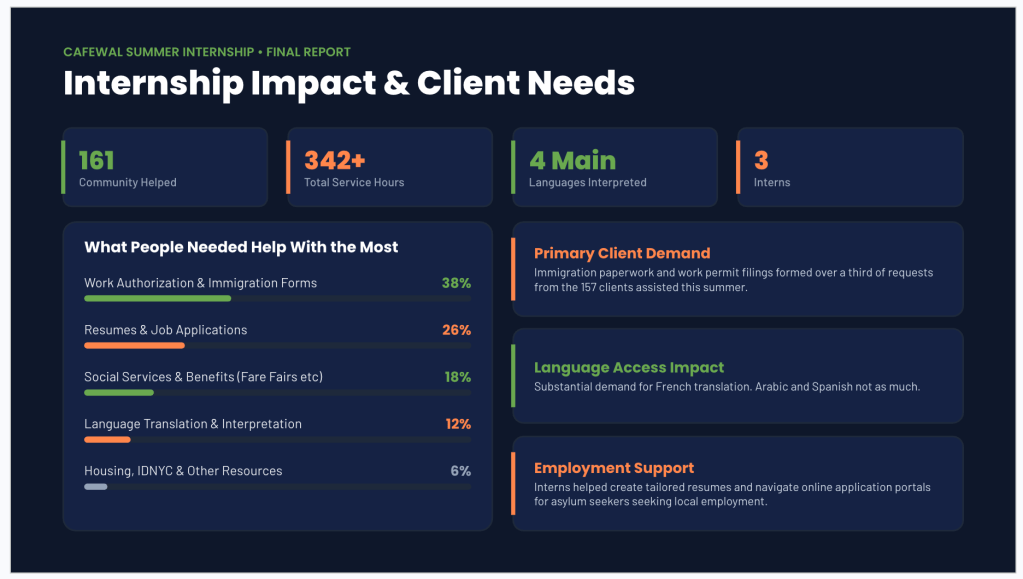
Throughout the course of the 6-week program, our 6 interpreters-in-training provided 750 hours of service. They helped asylum seekers apply for work authorization, Fair Fares discount Metrocards, IDNYC, and other services. They helped 284 people create a resume, either by working directly with clients or by assisting as interpreters for volunteer resume writers. They also helped asylum seekers who had work authorization look for employment opportunities and apply for jobs.

Our participants provided interpretation at a medical clinic hosted by East Village Neighbors Who Care (EVNC) in October, and also assisted clients to medical appointments with EVNC volunteers. In November, they worked at the New York Health and Hospitals Resource Fair connecting the majority of the 250+ attendees to representatives of the organizations tabling the fair.

In total the 6 participants in our program aided over 700 new New Yorkers.

Our Interpreter Training for African Asylum Seekers program was made possible with funding from the Mayor’s Office of Immigrant Affairs and the Mayor’s Fund and support from AfrikanaAfrica is Everywhere,East Village Neighbors Who Care, and EV Loves NYC .

We trained 6 asylum seekers, who learned the ethics and techniques of interpretation, as well as how to help people apply for benefits. Throughout the program, participants used their interpretation and language skills to provide direct services to people seeking asylum and other immigration relief and are in need of case management. Participants helped new migrant arrivals navigate the processes of critical services and benefits including work authorization, Fair Fares, health insurance, change of address, SNAP food benefits, school enrollment, and more. Interpreters also assisted volunteers in crafting resumes for clients.

The program offered professional development opportunities, featuring paid, hands-on training for multilingual asylum seekers who speak critical indigenous West African languages and dialects such as Pulaar, Wolof, Soninke, Hausa, Twi, Hassaniya Arabic, and Amazigh in addition to French and Arabic. Participants benefited from a direct employment pipeline through RTP and receive professional recommendations for external opportunities, emphasizing our commitment to workforce development and economic empowerment. The program serves a dual purpose: providing career opportunities for qualified asylum seekers while enhancing language access services for the broader community of new arrivals.