Black Migrants Rally Outside City Hall to Raise Awareness About Inequities

NY1 Interview with Adama Bah, director of Afrikana, whom we partner with on our Interpreter Training for African Asylum Seekers program.

¿Como impactará a los solicitantes de asilo en EEUU el tener que aportar su propio intérprete?
By YENY GARCÍA
Intérpretes al rescate
“…organizaciones como Refugees Translation Project trabajan de cerca con abogados, firmas legales y organizaciones sin fines de lucro para ofrecer servicios profesionales interpretación y traducción de documentos a refugiados y solicitantes de asilo que llegan a territorio estadounidense desde naciones como Afganistán, Eritrea y Turquía hasta países latinoamericanos.”
“Solo en lo que va de año, el proyecto ha brindado sus servicios en más de 40 casos pro bono, y otros 80 en colaboración con organizaciones, en los que estas cubren los honorarios de los profesionales. ‘Hemos visto un aumento en las solicitudes de traducción de personas que se alojan en el sistema de refugios de la ciudad de Nueva York’…”
Leer articulo completo/ Read full article (English version only available through Google translation of website)
Lost in AI translation: growing reliance on language apps jeopardizes some asylum applications
Translators say the US immigration system relies on AI-powered translations, without grasping the limits of the tools
AI-powered translation tools are particularly unreliable for languages that are considerably different from English or are less comprehensively documented, said Damian Harris-Hernandez, the executive director of the Refugee Translation Project, another group that helps refugees with translations.
“It’s very tempting for a lot of organizations or companies to use machine translations,” Harris-Hernandez said. “But these discrepancies can void a whole [immigration] case.”

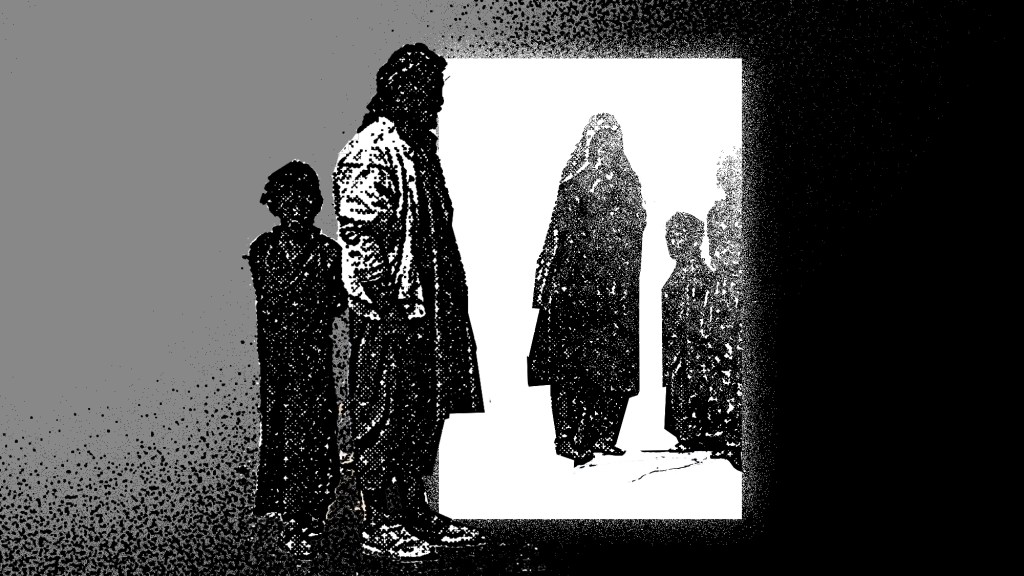
AI translation is jeopardizing Afghan asylum claims
By ANDREW DECK
Cost-cutting translations are introducing errors and putting refugees at risk.
“….[Machine translation] doesn’t have a cultural awareness. Especially if you’re doing things like a personal statement that’s handwritten by someone,” Damian Harris-Hernandez, co-founder of the Refugee Translation Project, told Rest of World. “The person might not be perfect at writing, and also might use metaphors, might use idioms, turns of phrases that if you take literally, don’t make any sense at all.”
Based in New York, the Refugee Translation Project works extensively with Afghan refugees, translating police reports, news clippings, and personal testimonies to bolster claims that asylum seekers have a credible fear of persecution. When machine translation is used to draft these documents, cultural blind spots and failures to understand regional colloquialisms can introduce inaccuracies. These errors can compromise claims in the rigorous review so many Afghan refugees experience…” Read full article here.

 Refugee Translation Project